The current global pandemic has had a profound impact on a massive number of individuals. Some are working from home, some are laid off, some are trying to work from home while child rearing/homeschooling. We are learning how to do things in a different way with no lead time. We are jumping into the deep end of a swimming pool with no life jacket and hoping we know how to tread water.
Add in fear, stress and worry for our health and the health of our loved ones and our brains are operating at an elevated, stressed state for majority of the day.
Typically a traumatic event is characterized as an event experienced or witnessed that creates an actual or perceived fear for one’s life or the life of a loved one. The first things that come to mind in these scenarios (based on my work and personal experience, there are MANY others) include a serious medical emergency, car accident, assault, violent act, natural disaster etc. These events typically have a quick onset and longer recovery and processing period. Our body goes from relaxed to ‘fight or flight’ survival mode very quickly. Our brain sends a signal to produce much more adrenaline and cortisol (stress hormone) to give us the energy we need to react in these scary situations. Once the threat (actual or perceived) is gone, the body can relax and we start to process and heal what happened over time.
Covid-19 is NOT a typical trauma or crisis. Unlike the traumatic events described above, this pandemic has been a ‘slow burn’. It is a prolonged period of perceived (and/or actual) risk with no certainty as to when it will end. The more our minds are focused on the news that reinforce this risk and fear, the higher our stress and anxiety levels go. The good news is… you have some control about the amount of anxiety and stress you experience from day to day by changing one simple thing.
REDUCE YOUR NEWS CONSUMPTION
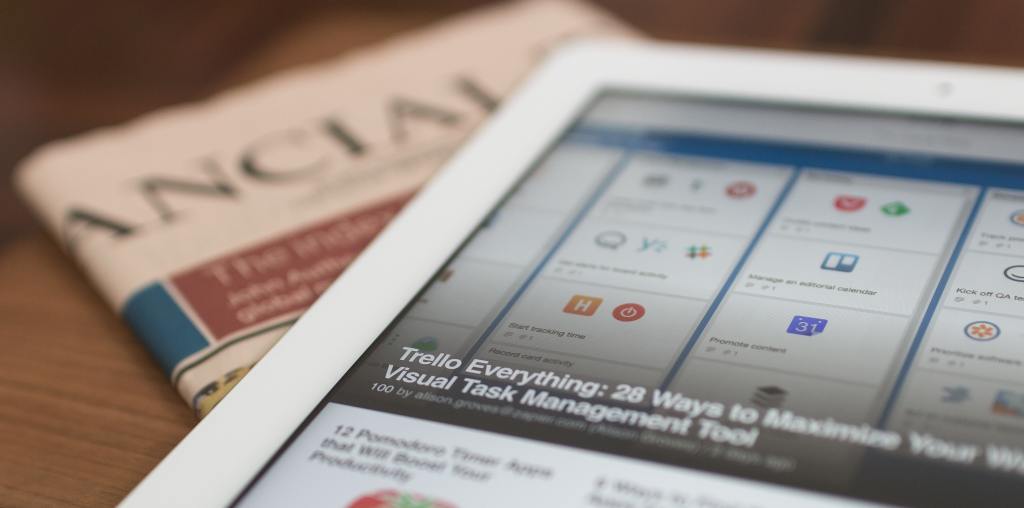
News is not trauma informed, plain and simple. It stimulates the senses and in many cases provokes anxiety and fear in it’s viewers. I realize that it is not possible to completely avoid the news for many people. I am not suggesting that we bury our heads in the sand and avoid current events. It is helpful to stay informed and up to date on recommendations and facts. What I am encouraging, however, is to minimize the amount of time devoted to watching the news.
- News and Sleep: This is much like other recommendations about stimulation and sleep. If you are going to watch the news, ensure that it is not the last thing you do before bed. The increased stimulation, blue light and thoughts provoked can have a negative impact on your ability to fall and stay asleep through the night.
- Make an effort to find Good News Stories: Reading/watching good news helps to create a neurological shift in how the brain processes information. If we are focusing on positives, the brain is more likely to think in a positive way. The same is true for negative, fear mongering news. We want to create positive thought patterns for ourselves as much as we can. Some options for good news I found are: SGN (John Krasinski’s quarantine inspired good news channel) globalgoodness.ca, https://www.huffingtonpost.ca/news/good-news/, https://www.reddit.com/r/UpliftingNews/ and the list goes on.
Watching the news can offer helpful information, political and public health updates etc. The reality of this is that there is limited amounts of new information provided each day. The rest of the 24 hours is repetitious and/or speculative. It is not helpful to continue to be exposed to this information for prolonged periods of time. Once you’re up to date on current events turn off the screen and find other positive activities to do.
Do yourself a favor and focus your energy on more positive things and over time you will see a shift in how you think and feel!
Stay safe friends,
Jen the social worker
 Jennifer Nunes
You must be logged in to post a comment.